





About Us
Polybags.ie is a division of Polybags.co.uk - the UK's largest polythene packaging manufacturer. This website was designed to provide Irish customers with a fantastic choice of polythene packaging, whilst offering fast delivery to Ireland and great savings when buying in bulk.
Have you heard this about polythene tubing?
polythene suppliers tubing performs properly only when the bore stays open and the wall retains its shape below heat and vibration. On an intake route, a tidy fit means small if the air path is being squeezed, because a narrowed part creates drag and raises turbulence. That additional resistance makes the engine work harder to pull air through, which can blunt low-speed response and make the system feel less complimentary. Gauge control matters as well, since thin or uneven tubing can soften after heat soak and beginning to sag or distort. A tube that grasps its profile gives cleaner assembly and a steadier air supply, and that normally shows up in daily running rather than only in test figures.
Woven polypropylene makes a waste bag far more proper when rubble, offcuts and other awkward site waste are being lifted and shifted. The interlaced structure gives the bag better tear resistance than thin film sacks, so sharp fragments are less likely to slice straight through amid loading or transport. That matters when bags are dragged across concrete floors, stacked in a skip, or handled by a forklift with rough edges nearby. A stronger bag also copes better with uneven loading, where one corner is carrying most of the strain. The result is less split bags, less spill, and cleaner handling on a busy job.
Global Bag Sealers Market Insights, Forecast to 2025
Bag sealers earn their place in packaging lines by giving loose product a clean, proper closure that is faster and tidier than tying, clipping, or folding by hand. In a busy warehouse or packing room, the proper machine assists retain seal quality consistent, particularly when bags vary in gauge or the contents are dusty, damp, or awkward to handle. A weak seal leads to leaks, pollution, and additional rework, while a proper seal assists better dispatch packing and less returns. The proper value lies in reducing waste and giving all consignment a more predictable stop.
Grey Mailing Bags Strong Poly Postal Postage Post Mail Self Seal All Sizes Cheap Grey Mailing - £151.99
Mailing bags fail when the film spec is chosen on thickness alone, because warehouse handling punishes weak gauges in methods a simple drop test will not display. A bag has to slide above conveyours, survive grubby select-face contact and retain its seal intact when a cage is packed harder than planned. If the film necks below a corner load or splits along a thin lane, the damage often appears later in secondary packing or returns, not at the point of dispatch. Grey pigmented film is normally chosen for above appearance, since opacity assists with stock discretion and reduces visible clutter in the package stream. The sensible selection is a bag that matches the product load and the handling route, because better balance between puncture resistance, seal quality and weight control saves trouble all the method downstream.
Details about 100pcs Clear Tall/Slim Cello Display Bags - Cellophane Display Bag 6*40
Tall display bags only work well when the film behaves properly on the machine, not only when it sees clever on the shelf. A slim 6 x 40 format is useful for products that need height and visibility, nevertheless that longer shape can bring feed problems if the gauge is gross or the surface is also grippy. The bag may cling to itself, curl at the edges or build static, which slows the filling point and makes handling awkward. The proper balance of stiffness and slip assists the pack grasp its shape while still running smoothly, so the line stays proper and the finished bag sees tidy.
Retail Bags - Custom Shopping Bags | Totally Promotional
Custom printed retail bags perform properly only when the print specification matches the method the bag is formed and finished on the line. A design that sees crisp on screen can fail once it meets folding, sealing and stacking, particularly on lighter paper or film where excess ink may crack or the handle area may weaken. Artwork placement matters as much as colour, because ink close a crease or seal can scuff amid transit and leave the pack looking tired before it reaches the shelf. A sensible specification retains the printed surface clean, the structure sound and the bag acceptable at point of sale.
Transpal polythene suppliers Sheeting PS007 Clear 50 m
polythene suppliers sheeting gives proper protection for products that need to stay clean and dry while they transport through storage and transport. A heavy transparent film around 200 micron offers more body than lighter sheeting, so it resists small tears and stands up better when pallets are stacked, enclosed or shifted by fork lift. That additional strength also makes it useful for covering pallet tops, where dust and splashes often cause the most trouble. Used alongside stretch film, it assists retain a load tidy and reduces the chance of pollution before the consignment reaches the next stage.
Bubble bags are a sensible reply when a small item requirements light protection without wasting space or packing time. A kraft outer gives a cleaner, more familiar mailer appearance, while the bubble layer softens knocks from sorting belts, tote bins, and rough handling in transit. That combination works well for lower-value parts, samples, or shopping products that still need a decent first impression when opened. The small 11 x 13 cm size points to compact content, so seal quality and proper occupy size matter above brute strength. When the mailer matches the product properly, dispatch runs faster and damage claims stay lower.
Environmental bags perform optimal when they are specified as working pack formats rather than treated as throwaway carriers. A bag that has to grasp proper weight requirements proper seam strength, sensible handle building and enough body to stay open amid filling, otherwise the first snag in dispatch or at the checkout soon turns into a failed pack. Material selection changes how the bag behaves in use: woven material gives a alternative feel from non-woven polypropylene, and each stock requirements the proper gauge, stitch pattern and stop to suit the load. A tidy print means small if the handles pull apart in transit, so practical strength has to come first.
Garment covers
Garment covers need to be chosen as a proper packing component, not as a loose sleeve that only retains dust off clothes. The proper film gauge has to suit the weight of the garment, the hanger shape, and the amount of handling it will face between packing and delivery. A thin cover may see efficient on paper, nevertheless it can split at the shoulder, crease badly in storage, or snag when moved through busy stock areas. A steadier specification gives better seal quality and retains finished stock looking tidy when it reaches dispatch, which reduces handling damage and avoids last-small repacking.
Polybags produces and stocks a massive range of polythene products. Most of our range can be custom-made and printed with your own logo. Please have a look at some of the main categories of products that Polybags can offer:

- Retail display bags
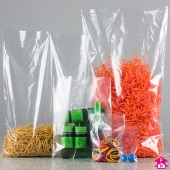
- A range of crystal clear presentation and retail bags manufactured from high clarity polypropylene film, ideal for retailers wanting to really show off their products!

- Plain polythene bags
- Plain polythene bags, which clearly display the contents of the bag, can be produced to any specification. A popular choice for mailing bags, which can be printed all over with a clear window.

- Grip seal and slider grip bags
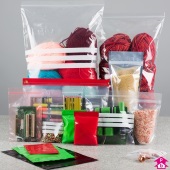
- Grip seal bags are closed at the top by squeezing the inter-locking seal together, while slider grip bags use a zip slider to fasten. Ideal to use when you want to secure bag contents and avoid leakage or contamination, with no need for ties, clips, staples or tape to seal the bag.

- Waste bags and sacks
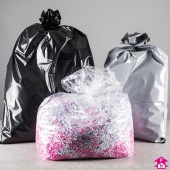
- Polythene waste bags and sacks are used to dispose of a wide range of domestic, garden and workplace waste. Whether recycling, composting or disposing in landfill, collect your waste in the relevant waste sack for quick, easy and hygienic disposal.

- Carrier bags
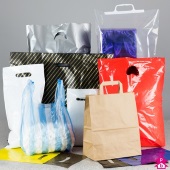
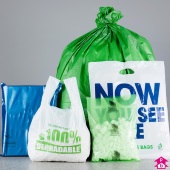
- A huge variety of clear and coloured stocked carriers allow retailers to find the perfect carrier bag to suit their specific product, catering for everything from CDs to clothes and books to paintings. Polybags also provides tailor-made carrier bags complete with very own company logo or design.

- Polythene tubing and sheeting
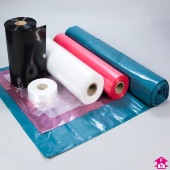
- Tubing and sheeting are an excellent packaging alternative when wrapping or packing multiple items that share a common width or diameter but vary in length. Once wrapped around your product, poly sheeting can be sealed with tape, clips, ties or using a heat sealer.

- Bubble film and bubble bags
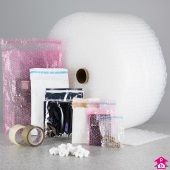
- Bubble film and bubble bags have proved to be one of the most versatile packaging materials of recent years. Soft and flexible, yet displaying incredible tear resistance and fantastic protection for contents, bubble film has earned itself a place in almost every packaging environment.

- Eco-friendly bags
- Polybags manufacture and stock a wide range of eco-friendly packaging products to suit every kind of packaging need. A huge range of biodegradable and compostable products will get the job done whilst helping do your bit towards a better, greener environment.

- Garment bags
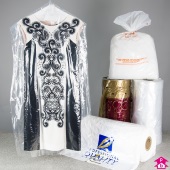
- Garment covers are thin polythene film sleeves, popular with dry cleaners, tailors and hotels, that protect clothes from dust, dirt or moisture in transit or storage. Laundry bags are also a popular product and come in plain or pre-printed polythene for convenient clothes collection.

- Pallet covers
- Polybags is a leading UK manufacturer and stockist of shrinkable pallet covers for outside and in-transit protection. Available in cost-effective tear-off rolls for large volume supply, or boxed loose for smaller volume users.

- Specialist bags
- However specialist your job or task, there is a polythene product out there for you. Polybags are specialists in specialist bags, stocking everything from film-front display bags to super-strong Polymax bags, along with range of specialist waste sacks for safe disposal waste including asbestos and clinical waste.

- Transit packing
- Polybags stock a range of packing bags and associated packaging products for transit packing, such as stretch-wrap, tape, boxes, pallet covers and document-enclosed envelopes. All in stock for next day delivery if required.

- Mailing and courier bags
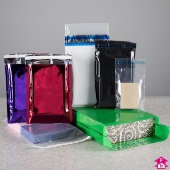
- Designed for postal or courier transport, mailing bags are light, waterproof and have an integral adhesive strip. Polybags' stocked ranges include economy and 'Tuff' mailers, mailorder and courier bags, tamper proof, bubble and even high-impact metallic mailers.